Each month we spotlight members of the Community Foundation of Broward’s Professional Advisors Council.
The PAC includes attorneys, CPAs and financial planners who help their clients achieve their charitable goals by collaborating with the Community Foundation. Council members have referred clients who establish charitable funds at the Foundation or who include the Foundation in their estate plans.
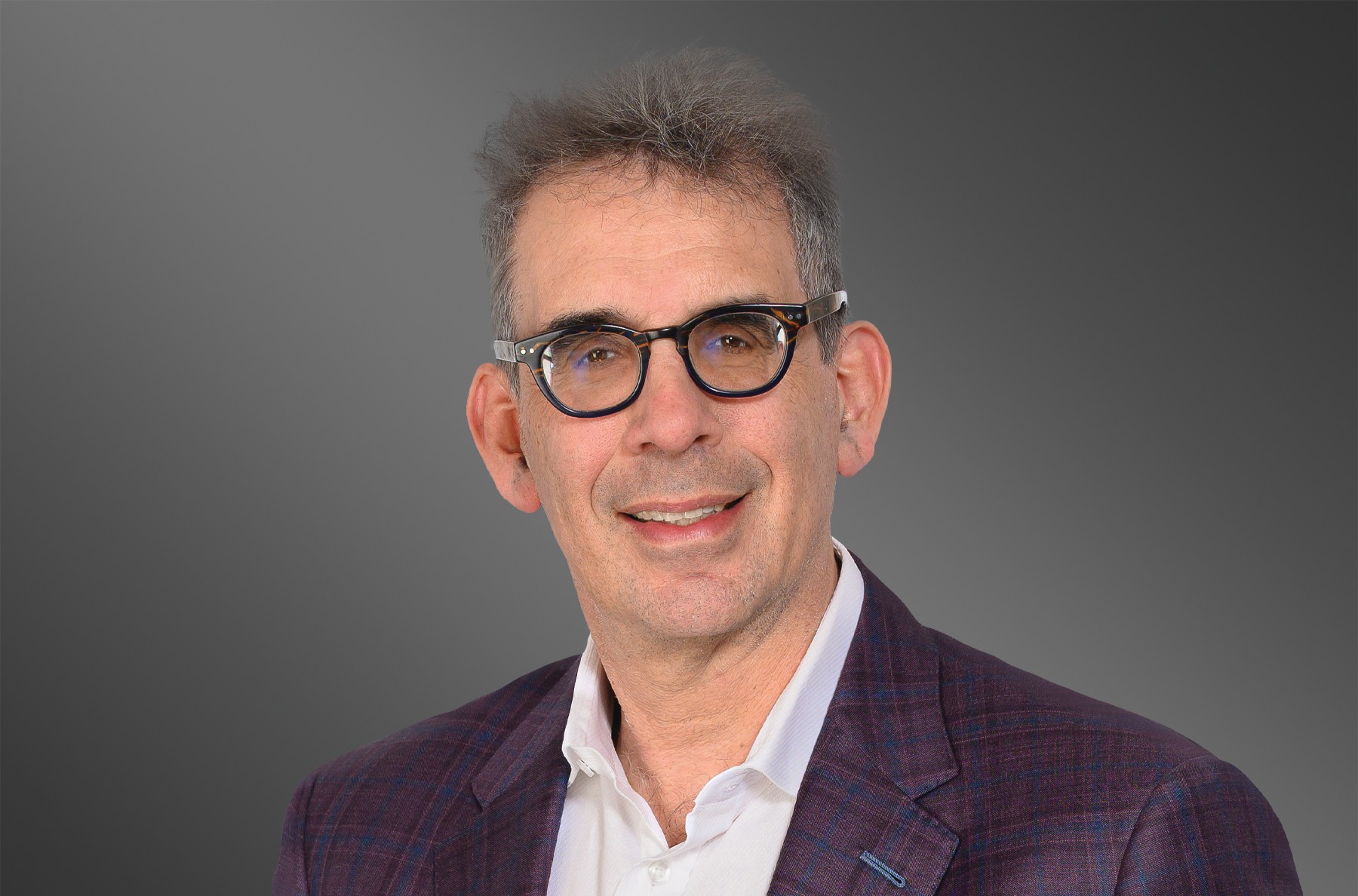
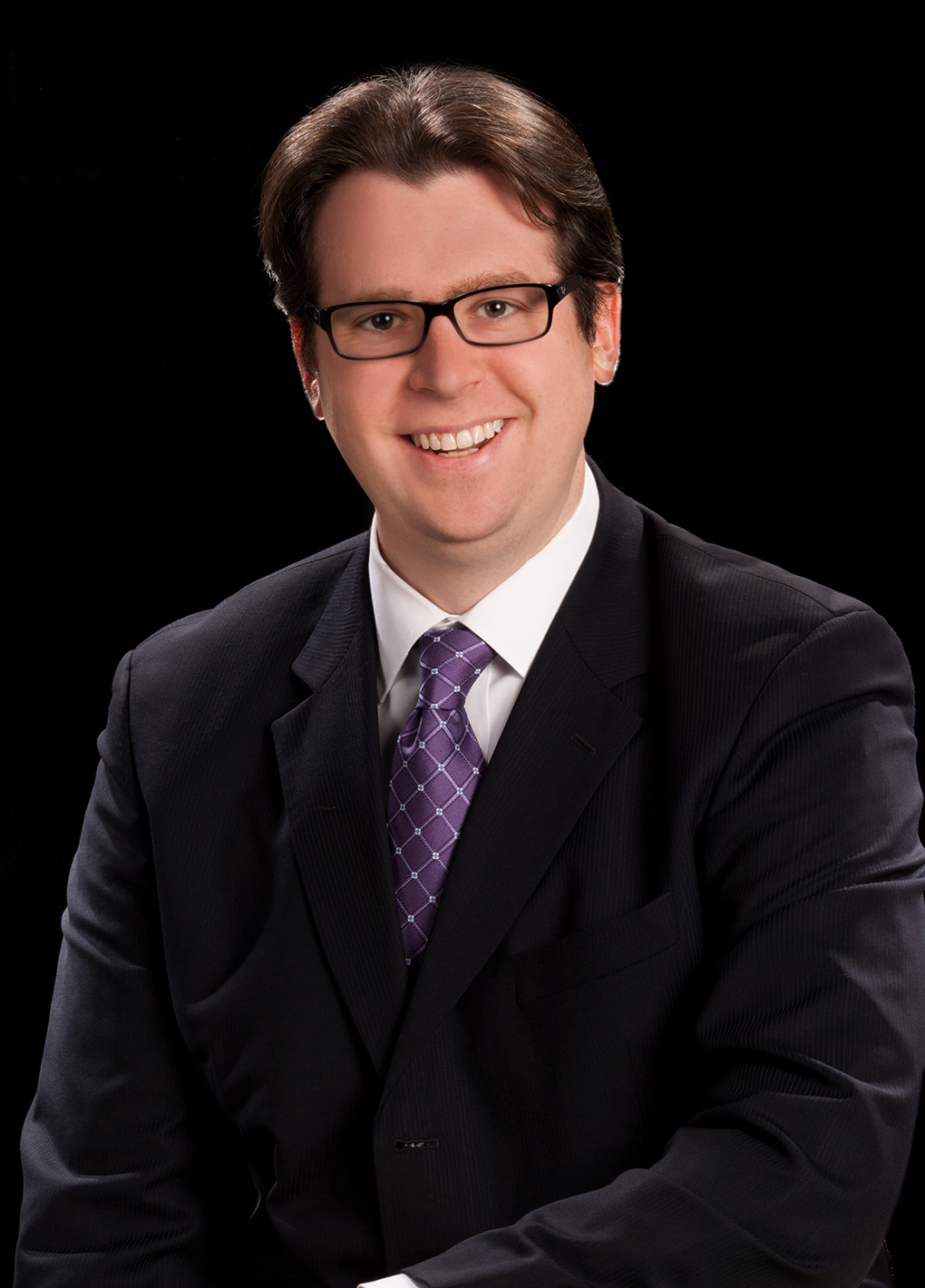
This month’s Q&A features attorney Jared W. Gasman.
Jared focuses on estate planning, probate and personal injury matters. He brings a creative, client-centered approach to the practice of law. Born and raised in South Florida, he earned a degree in philosophy from the University of Chicago before returning home to attend law school at Nova Southeastern University. As an estate planner, Jared’s approach is to provide counsel and advice that empowers clients to make decisions that best protect them and their loved ones.
Professional & Philanthropy
Q.What inspired you to enter your field?
As the third-generation attorney in my family, I would have to say my greatest influences were my grandmother and my father. My grandmother, Bernice Gasman, was the first attorney in our family — and the youngest woman to pass the New York State Bar, at just 21 years old, in the 1940s. I can't imagine what that journey looked like for her at that time.
My father practiced law here in Fort Lauderdale for 40 years, and I watched firsthand the impact his work had on so many people. I remember riding with him on weekends to clients' homes and meeting them at the office — they were so grateful for his willingness to work beyond the typical 9-to-5. I remember going with him to the law library at the Broward County Courthouse on Saturdays before all research moved online. When he passed away 12 years ago, clients shared wonderful stories about him I had never heard, but never once doubted. People often have a negative picture of lawyers and see them as individuals singularly focused on billable hours or contingency fees. There are certainly attorneys like that, but my father taught me that law is a vocation: you either feel a deep calling to the work, or you don't. There is no in-between.
Every day in my practice, I ask myself how he would have handled a situation. He is my guiding light — the one who gave me the roadmap to become a compassionate advocate.
Q.What areas of planning do you focus on?
My practice centers on estate planning, probate, and probate litigation — work that sits at the intersection of law, legacy, and generosity. I have the privilege of partnering with high-net-worth individuals and families to craft thoughtful plans that not only protect what they've built, but direct it toward the causes and communities they care most about. Connecting people with the charitable organizations that align with their values is one of the most rewarding parts of what I do.
Q.What do you enjoy most about helping clients with long-term or legacy planning?
What I enjoy most is the discovery. Every client brings a different set of values, passions, and life experiences to the table — and through the process of legacy planning, I get to explore the full landscape of charitable work happening across the country and right here in our own backyard. I've been introduced to national organizations doing extraordinary things, but some of my most memorable moments have come from uncovering smaller, local charities I never knew existed — groups quietly improving the lives of animals, fighting racial inequality, and strengthening the fabric of small communities. Some of these charities right in Broward County are on the precipice of insolvency, and being able to get them a check to keep the lights on makes all the difference in the world to me. That process of connecting a client's heart to the right mission is something I never take for granted.
Q.How do you approach conversations around charitable giving?
Charitable giving is rarely the first thing that comes up in an estate planning conversation — and I think that's actually an opportunity. I approach it by getting to know my clients as people first: what they've built, what they've survived, what keeps them up at night, and what they hope the world looks like after they're gone. Once I understand what someone truly values, the conversation about giving tends to unfold naturally. It's less about tax strategy and more about meaning — though the two often go hand in hand.
Q.Why is philanthropy important in a strong estate or financial plan?
A strong estate plan isn't just about transferring wealth — it's about transferring values. Philanthropy gives clients the opportunity to make intentional choices about what happens to what they've built, rather than leaving it entirely to intestacy laws or distant relatives. Beyond the very real tax advantages, charitable giving woven into an estate plan creates something that financial instruments alone cannot: a legacy with meaning. It tells a story about who you were, what you stood for, and what you wanted the world to look like after you were gone.
Q.Are there causes or community issues that are especially meaningful to you?
Several causes are close to my heart. Animals have always been a passion — both the pets who depend on us every day and the exotic animals who need stronger protections than the world currently gives them. Historic preservation is another — there is something about the care of old buildings and the stories they hold that I find deeply meaningful.
But the cause that occupies most of my thinking right now is children's access to the arts. As education budgets continue to shrink, creative outlets are often the first thing to disappear — and for many families, private lessons or programs simply aren't an option financially, or they don't know where to look. I've done significant work with the Broward Center for the Performing Arts, particularly its arts in education program, because I believe deeply that every child deserves a space to create, express, and discover who they are. That work feels urgent to me in the current times.
Q.What drew you to engage with the Community Foundation of Broward?
Family friend and attorney Christy Lambertus brought me into the Community Foundation of Broward's world — and given the impact she has had on charitable financial planning, she demonstrated what a clear nexus there was between the work we do and the world of philanthropy. What really hooked me was the speakers and the passion of the staff. The Community Foundation of Broward has a way of bringing in people who connect you to the actual strategy behind real-world giving — not abstract concepts, but how philanthropy works on the ground and what makes it meaningful. Every time I leave one of those conversations, I bring something back to my clients. Every team member is happy to discuss new charities they have found that contribute to our community.
Q.How has partnering with the Community Foundation benefited your clients?
Partnering with the Community Foundation has given my clients something I couldn't fully offer on my own — a dedicated resource for turning their charitable intentions into a structured, lasting reality. I've referred several clients to the Community Foundation to establish their own funds as part of their estate planning, and the results have been remarkable. The Community Foundation brings an expertise in matching donors with the causes that truly resonate with them, and that complements my work in a way that makes the whole plan stronger. My clients leave the process not just with documents, but with a giving strategy that feels personal and purposeful.
Q.What trends do you see emerging in charitable giving or estate planning?
One of the most consistent patterns I see is that charitable giving rarely lands in the middle — clients have either been giving their whole lives or they've genuinely never considered it. For those in the latter group, I become something of a brainstorming partner. We sit down and talk through their interests, their passions, what bothers them about the world, and slowly something emerges. It's one of my favorite parts of the process.
Families with children can be harder to bring to the table — there's often a natural instinct to direct everything toward heirs, which is completely understandable. Younger clients, interestingly, are coming in more open to legacy planning than previous generations and are much more receptive to tools like donor-advised funds, which have become a much more common part of my conversations overall. They're also often the best pathway for me to connect clients with the Community Foundation of Broward because the Community Foundation brings local expertise that is often more attractive to my clients.
In terms of causes, I see a lot of animal lovers — local rescues and the Humane Society come up constantly. Arts giving is less common than I'd like, honestly — it's a cause I feel strongly about, but it takes more conversation to get there. The opportunity is there, and I think it's growing.
Q.What advice would you offer advisors looking to include charitable planning in their practice?
The first thing I wish someone had told me is that small gifts matter more than most people realize. Charitable organizations — especially the smaller, local ones — can be genuinely transformed by gifts that a donor might consider modest. The second thing I wish I'd known is that not all nonprofits are created equal. Some spend the majority of their resources on salaries and marketing, while others are remarkably disciplined about keeping costs low and maximizing impact. Helping clients understand that distinction is part of the work.
For advisors looking to start, my biggest piece of advice is simply to begin the conversation — and to do it lightly. Don't make it a formal agenda item. Be nonchalant. Share a story about a local organization that moved you. In my experience, the response is almost always one of two things: a quick "not for me," or a spark that turns into something much bigger. Either way, you've done your job by asking.
I'd love to say that values are always the natural starting point, and for many clients they are. But some people need to come through the side door — they need to understand the tax strategies first, and how giving can directly benefit their families, before the deeper conversation can happen. Meet people where they are.
And finally — don't try to do it all alone. The Community Foundation of Broward exists precisely to bridge the gap between what advisors can offer in an office consultation and what clients actually need to understand the full charitable landscape. Setting up direct meetings between clients and the Community Foundation has been one of the most effective things I do.
Personal & Fun
Q.What area of Broward/South Florida do you call home?
Fort Lauderdale
Q.What’s something people might be surprised to learn about you?
I am a dual US-Irish Citizen. I have a WSET Level 3 award in Wine.
Q.How do you like to spend your time outside of work?
Travel, attending film festivals, scuba diving, and skiing.
Q.What is a favorite Broward restaurant, coffee spot, or local gem?
Wine Watch as they have one of the best collections of vintage wine in the country and MAASS for its imaginative menu and creativity of making even a humble rice dish transcendent.
Q.What is a book, podcast, or resource that’s inspired you recently?
A book that has stayed with me recently is Candice Millard's The River of Doubt, which chronicles Theodore Roosevelt's final great expedition into the uncharted Amazon. It is a story that doesn't get nearly the attention it deserves — a former president pushing himself to the edge of survival in one of the most unforgiving places on earth. He undertook it after a humiliating defeat in 1912 when he decided to push himself on one of the most harrowing trips of survival I have ever read. Millard captures Roosevelt's adventurous spirit beautifully. He almost didn't make it back. Despite the difficulty of his journey, it left me with a genuine longing to see that part of the world someday, and a deep admiration for the resilience of everyone on that expedition.
Q.What is one word colleagues would use to describe you?
I think colleagues would say I am genuine — and I hope that's true. In a profession that can sometimes feel transactional, I've always believed that the quality of the relationship matters as much as the quality of the work. My clients aren't files on a desk. They are people with real hopes, real fears, and real legacies to protect. If I've earned that word, it's because my father showed me what it looked like first.
Q.A favorite quote or guiding motto?
I carry two quotes with me. Simone Weil wrote that "attention is the rarest and purest form of generosity" — and I think about that constantly in client meetings, in charity conversations, in every interaction where someone is trusting me with something that really matters to them. I need to listen to them and understand what they are trying to express either with words or without.
Maya Angelou's words act as a corollary: "people will forget what you said, but never how you made them feel." The legal work estate planners do is important. But how someone feels walking out of my office — that's what I'm really accountable for. I want them to have the peace of mind they need after a difficult conversation.
More about the PAC
Our PAC is an elite group of tax and estate attorneys, CPAs and financial advisors who collaborate with the Community Foundation to achieve their clients’ charitable goals. Council members have referred clients who establish charitable funds at the Foundation or who include the Foundation in their estate plans. Working together, we help their clients to make a lasting impact through grantmaking support from their charitable funds at the Community Foundation. PAC members are invited to networking opportunities, continuing education sessions and special Community Foundation events.
CLICK HERE TO LEARN MORE ABOUT THE PAC.
CLICK HERE TO SEE MORE PAC MEMBER SPOTLIGHTS.

Contact the Community Foundation of Broward at info@cfbroward.org or 954-761-9503.

%20(1).jpg)